
بقلم سارة ادامز Sarah Adams
تنظيم الدولة الإسلامية يعيد تموضع قيادي عراقي بارز لإحياء عملياته في ليبيا
تُظهر ولاية ليبيا التابعة لتنظيم الدولة الإسلامية، والتي كانت تُعدّ من أخطر معاقله الخارجية خارج العراق وسوريا، مؤشرات متجددة على إعادة تنظيم استراتيجي. ورغم ضعفها الكبير مقارنةً بفترة ذروة عملياتها بين عامي 2014 و2017، يسعى التنظيم الآن إلى إعادة بناء بنيته التحتية العملياتية داخل ليبيا كجزء من أهداف أوسع لعام 2026.
يُعدّ محاولة
توسيع نفوذ التنظيم في منطقة فزان الصحراوية انطلاقا من مالي والنيجر جنوب ليبيا أحد أهدافه الرئيسية. وتظل المنطقة ذات أهمية استراتيجية بالغة نظرًا لاتساع رقعة أراضيها، وممرات التهريب الراسخة التي تربط شمال أفريقيا بمنطقة الساحل. ومن شأن السيطرة على فزان أو النفوذ فيها أن يمنح تنظيم الدولة الإسلامية حرية حركة أكبر عبر الصحراء، ويُحسّن وصوله إلى الأسلحة وطرق التهريب، وربما يُعيد ربط خطوط العمليات بين ليبيا وشبكات التنظيم العاملة في غرب أفريقيا ومنطقة الساحل.
وقد باتت رسائل تنظيم الدولة الإسلامية تعكس هذا التركيز المتجدد بشكل متزايد. في سبتمبر/أيلول 2025، وصفت صحيفة “النبأ”، وهي المنشور الرسمي للتنظيم، ليبيا بأنها “منصة انطلاق للعودة”، وجددت دعواتها للجهاد داخل البلاد، في إشارة إلى نية إعادة بناء القدرات العملياتية والتجنيدية. وتتوافق هذه الرسالة مع معلومات استخباراتية تشير إلى أن تنظيم داعش قد أدخل كوادر قيادية مُعاد هيكلتها إلى ليبيا، تتألف في معظمها من عناصر سورية وعراقية مخضرمة، من بينهم أفراد سبق اعتقالهم خلال عمليات مكافحة التنظيم في سوريا.
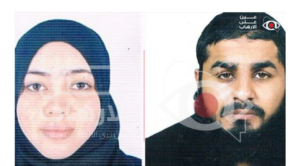
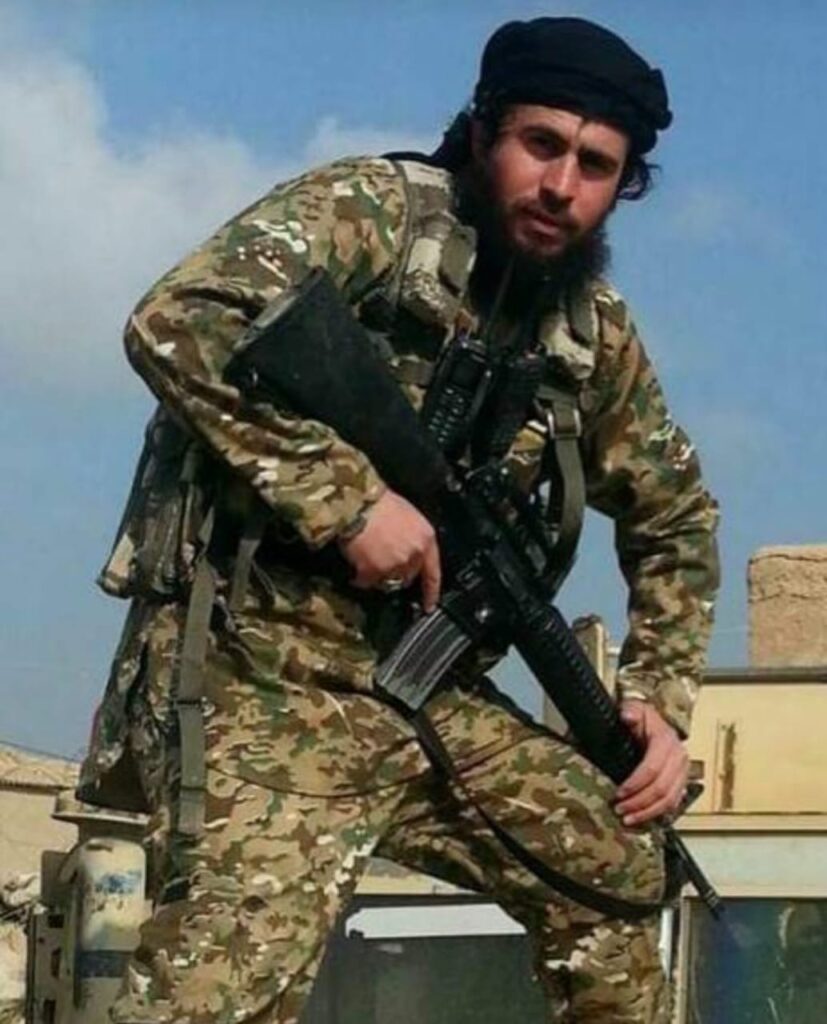
ويُعدّ جاسم محمد صالح محور هذه الجهود لإعادة الهيكلة، ويُعتقد أنه يشغل حاليًا منصب القائد العسكري الرئيسي لعمليات داعش في ليبيا. وُلد جاسم عام 1987 في نينوى بالعراق، وعمل ضمن شبكة داعش في الموصل تحت اسم أبو أنصار، ويُعرف أيضًا باسم أبو شعيب العراقي وصهيب العراقي. ويُعتقد أن له صلات طويلة الأمد بشبكات تسهيل الجماعات الجهادية الممتدة عبر العراق والسعودية. خلال ذروة سيطرة داعش على الأراضي في العراق وسوريا، يُقال إنه شغل عدة مناصب عملياتية، بما في ذلك فترة وجيزة كنائب مسؤول عسكري في بغداد ضمن ديوان الجند، المعروف أيضًا بالمجلس العسكري لداعش.
يُعدّ الهيكل القيادي الحالي لداعش في ليبيا لافتًا للنظر، إذ يعكس جهدًا مُتعمّدًا من جانب التنظيم لإعادة ضخّ عناصر قتالية مُخضرمة إلى البلاد، بدلًا من الاعتماد كليًا على شخصيات التمرد المحلية. يمتلك العديد من هؤلاء الأفراد خبرة عملياتية من سنوات ذروة داعش في العراق وسوريا، بما في ذلك خبرة في التنسيق العسكري، والتسهيل، والتجنيد، وإدارة الشبكات الخارجية.
إنّ محاولة إعادة توطين عناصر داعش العراقيين والسوريين المُخضرمين في ليبيا تتجاوز أهميتها حدود ليبيا نفسها. فقد استخدم داعش البلاد تاريخيًا ليس فقط كساحة معارك، بل كبوابة لوجستية إلى شمال أفريقيا، والبحر الأبيض المتوسط، ومنطقة الساحل. ويشير إعادة إدخال شخصيات قيادية مُخضرمة ذات خبرة ميدانية، وعلاقات شبكية خارجية، ومعرفة مؤسسية من سنوات ذروة داعش، إلى أن التنظيم يسعى إلى إعادة بناء عمق عملياتي طويل الأمد، بدلًا من مجرد الحفاظ على نشاط تمردي مُنعزل.
لا يكمن القلق الأكبر في قدرة داعش على إعادة إحياء خلافتها السابقة في ليبيا فورًا، فهي عاجزة عن ذلك. بل يكمن القلق في احتمال أن تصبح ليبيا مجددًا مركزًا مُيسِّرًا للتسهيل والتجنيد والتدريب والتخطيط للهجمات الإقليمية. وتشير المؤشرات بشكل متزايد إلى أن داعش تعتقد أن الظروف مواتية من جديد لمحاولة ذلك.
ISIS and the Dream of Returning to Libya
By Sarah Adams
The Islamic State Repositions a Senior Iraqi Leader to Revive Operations in Libya
The Islamic State’s Libyan province, once considered one of its most dangerous external strongholds outside Iraq and Syria, is showing renewed signs of strategic reorganization. Despite being significantly weakened compared to its peak operations between 2014 and 2017, the group is now seeking to rebuild its operational infrastructure within Libya as part of broader objectives for 2026.
One of its main goals is to
expand the group’s influence in the Fezzan desert region, extending from Mali and Niger to southern Libya. The region remains of critical strategic importance due to its vast territory and well-established smuggling routes connecting North Africa to the Sahel. Control of Fezzan, or even influence there, would grant the Islamic State greater freedom of movement across the Sahara, improve its access to weapons and smuggling routes, and potentially reconnect its operational lines between Libya and its networks operating in West Africa and the Sahel.
The Islamic State’s messaging increasingly reflects this renewed focus. In September 2025, Al-Naba, the group’s official publication, described Libya as a “launchpad for a comeback” and renewed its calls for jihad within the country, signaling an intention to rebuild its operational and recruitment capabilities. This message aligns with intelligence indicating that ISIS has infiltrated a restructured leadership cadre into Libya, comprised mostly of veteran Syrian and Iraqi operatives, including some previously captured during counterinsurgency operations in Syria.
At the heart of this restructuring effort is Jassim Mohammed Saleh, who is believed to currently serve as the chief military commander of ISIS operations in Libya. Born in 1987 in Nineveh, Iraq, Jassim operated within the ISIS network in Mosul under the name Abu Ansar. He is also known as Abu Shuaib al-Iraqi and Suhaib al-Iraqi. He is believed to have longstanding ties to jihadist facilitation networks spanning Iraq and Saudi Arabia. During the height of ISIS’s territorial control in Iraq and Syria, he reportedly held several operational positions, including a brief stint as deputy military commander in Baghdad within Diwan al-Jund, also known as ISIS’s military council.
The current ISIS leadership structure in Libya is noteworthy, reflecting a deliberate effort by the group to reintegrate seasoned fighters into the country, rather than relying solely on local insurgent figures. Many of these individuals possess operational experience from ISIS’s heyday in Iraq and Syria, including expertise in military coordination, facilitation, recruitment, and managing external networks.
The attempt to resettle seasoned Iraqi and Syrian ISIS fighters in Libya has implications that extend far beyond Libya’s borders. ISIS has historically used the country not only as a battleground but also as a logistical gateway to North Africa, the Mediterranean, and the Sahel region. The reintroduction of veteran leaders with field experience, external network connections, and institutional knowledge from ISIS’s heyday suggests that the group is seeking to rebuild a long-term operational depth, rather than simply maintaining an isolated insurgency.
The greatest concern is not ISIS’s ability to immediately re-establish its former caliphate in Libya—it is incapable of doing so. Rather, the concern lies in the possibility that Libya could once again become a hub for facilitating, recruiting, training, and planning regional attacks. There are increasing indications that ISIS believes conditions are once again ripe for attempting this.
مقالات ذات صلة