

استقصائي عن هجوم مانشستر والذي نفذه سلمان رمضان العبيدي 22مايو2017م.
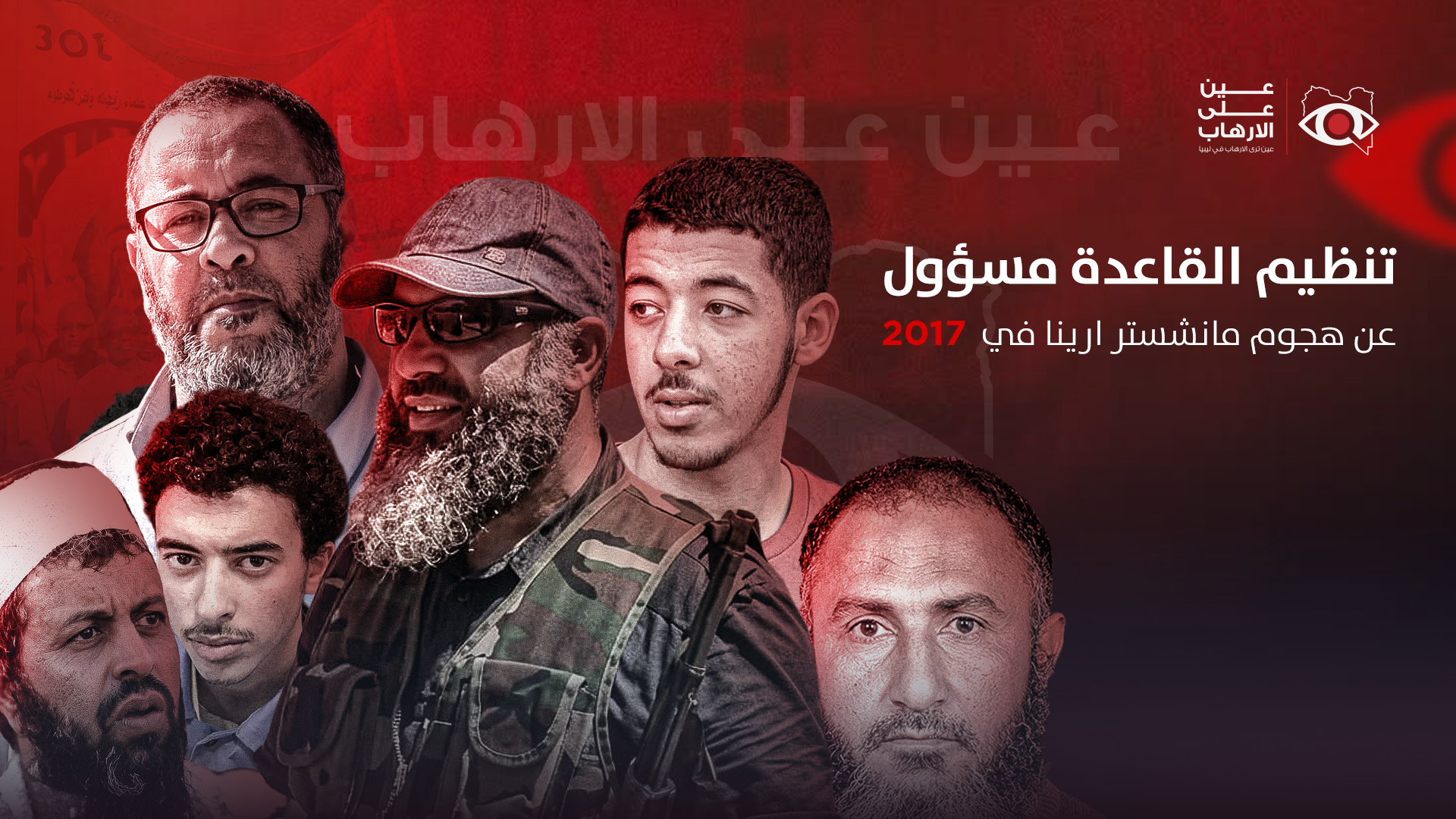
تنظيم القاعدة مسؤول عن الهجوم الانتحاري في مانشستر.
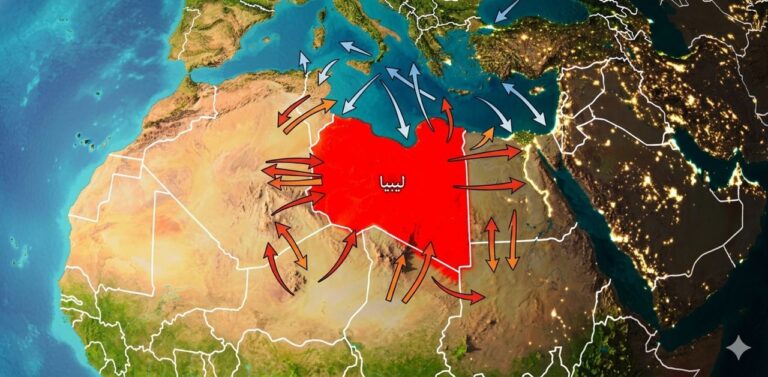
سنبدأ في اخراج حقائق مالم يقال في هجوم مانشستر الذي وقع في 22مايو 2017م وستكون البداية ليست من مانشستر في بريطانيا ولكن في العاصمة الليبية طرابلس حيث كان التخطيط لعملية مانشستر من قبل مجموعات تتبع لتنظيم القاعدة (المقاتلة فرع ليبيا والتي غيرت اسمها ل حركة الإصلاح الإسلامي نهاية سنة 2011م).
بعد 72 ساعة من هجوم مانشستر ارينا في بريطانيا انقلب كل شيء في العاصمة الليبية طرابلس وبدأت مليشيات تابعة ل غنيوة الككلي وهاشم بشر وهيثم التاجوري هجوماً على كل المقرات التابعة لتنظيم الليبية المقاتلة ابتدأً بسجن الهضبة والذي يسيطر عليه الأمير العسكري لليبية المقاتلة خالد الشريف وانتهاءً بمقرات أخرى بينها الكلية العسكرية للبنات وأدت الاشتباكات الى مقتل أكثر من 100 شخص من الطرفين ولم يتوقف الامر عند هذا الحد بل تم مهاجمة منزل القيادي في الليبية المقاتلة صلاح البركي وحرقه ومهاجمة منزل القيادي في الليبية المقاتلة عبدالوهاب قايد وحرقه ومداهمة منزل عبدالحكيم بالحاج والقبض على العشرات من افراد التنظيم بينهم وكيل وزارة العدل طارق الداقل ومهاجمة مقر دار الإفتاء التابعة للمتطرف الصادق الغرياني وغلقها وقتل 3 من قادة الليبية المقاتلة والقاعدة “حركة الإصلاح الإسلامي” سالم نور الدين الدبسكي المكنى عبدالله رجب وبوعجيلة جابر علي العريفي المكنى وابوسلمة وامحمد ابوالقاسم محمد ابوفرسن وغيرهم وهروب غالبية أعضاء تنظيم القاعدة والليبية المقاتلة “حركة الإصلاح الإسلامي” خارج ليبيا “تركيا وقطر” .
بينما لم يتم القبض على صلاح بادي صاحب بيان “فخر ليبيا” وهذا يدل على ان بيان صلاح بادي لم يكن الا حجة واضحة لضرب من هم وراء هجوم مانشستر وان المعارك التي حدثت كانت بإيعاز من بريطانيا للانتقام من مخططي ومنفذي هجوم مانشستر ارينا قبل أيام.
هاشم بشر على صفحته في الفيس بوك كتب يقول: ان 52 من مقاتلي حكومة الوفاق الوطني قتلوا.
كشف المستشار الأمني لرئيس المجلس الرئاسي هاشم بشر أن 52 شخصًا من القوات التابعة لحكومة الوفاق الوطني قتلوا وسقط عشرات الجرحى خلال اشتباكات الجمعة مع معارضين لاتفاق الصخيرات السياس قتل العشرات وتم القبض على عدد غير معروف وبقي صلاح بادي الذي اتخذ من بيانه حجة يزاول حياته بكل حرية.
الأمير العسكري وعضو الليبية المقاتلة خالد الشريف ابوحازم والمسؤول عن سجن الهضبة كتب على صفحته: ان مجموعة تابعة لكتيبة ثوار طرابلس بقيادة هيثم التاجوري أخرجت عائلته أربع بنات وطفل رضيع من منزلهم بمنطقة زناته في العاصمة طرابلس وهدمت المنزل.
كتب أحد افراد تنظيم القاعدة “حركة الإصلاح الإسلامي” إسماعيل عمر جبريل اللواطي على صفحته عقب احداث طرابلس موجهاً حديثه الى هاشم بشر وهيثم التاجوري وغامزاً من قناة التدخل الأجنبي في قتل سالم نور الدين الدبسكي وامحمد ابوفرسن والعريفي (ياوجه الشيطان ياكلب الروم ياجرو باولو سيرا ويا عميل دحلان وعب زيدان.. لو حضنت حتى سيدنا بلال رضي الله عنه.
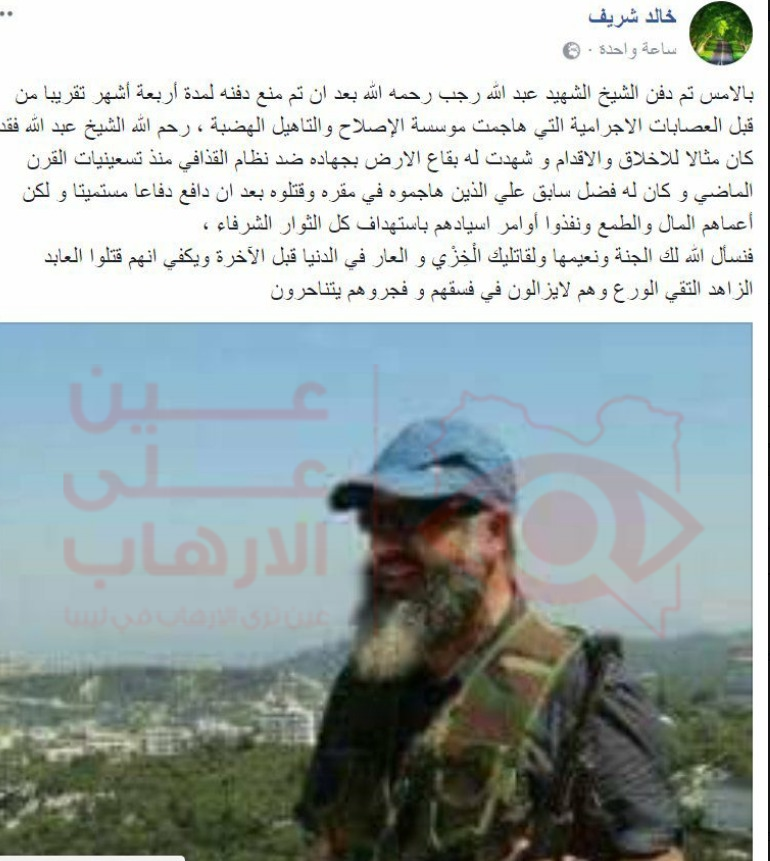
لن يغفر لك تحريضك على قتل الشيخ العابد الزاهد ومدرب الثوار ومربي الأجيال عبد الله رجب سالم الدبسكي الطرابلسي وتحريضك كذلك على قتل كافل الايتام والارامل صبري الغرياني وغائث اللهفان ومغيث المرضى والجرحى سائق الإسعاف وخادم الثوار والمجاهدين امحمد ابوفرسن الرجباني)
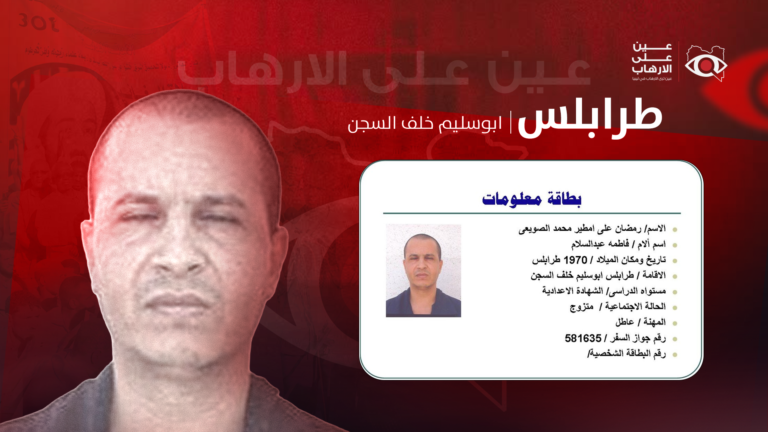
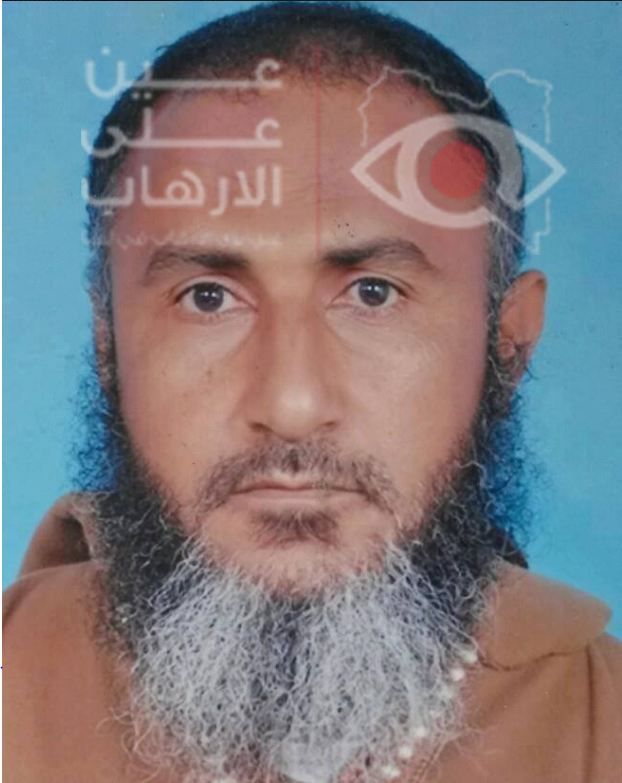
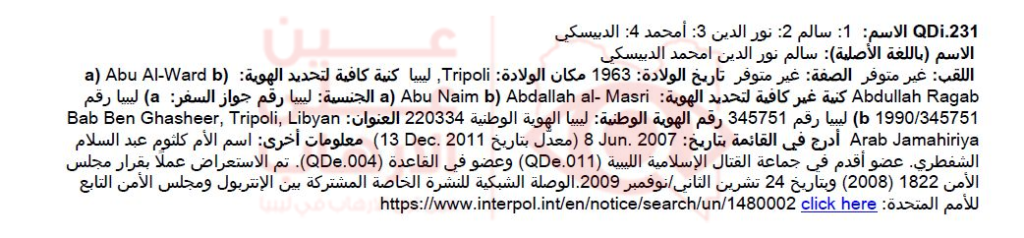
سالم نور الدين الدبسكي.
لكن من هو سالم نور الدين الدبسكي ومن بوعجيلة جابر علي العريفي وامحمد ابوالقاسم محمد ابوفرسن.
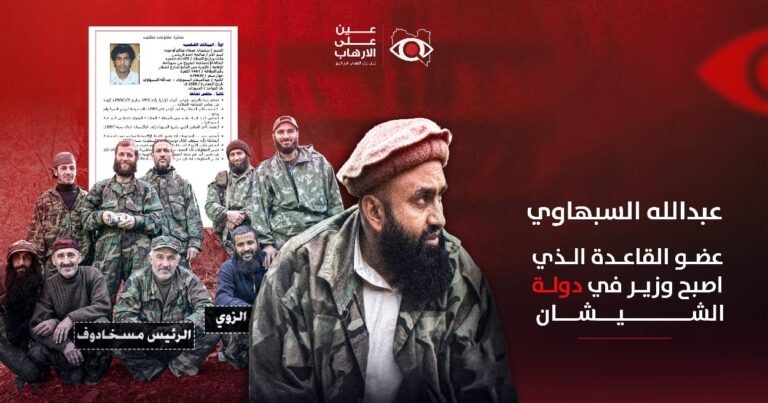
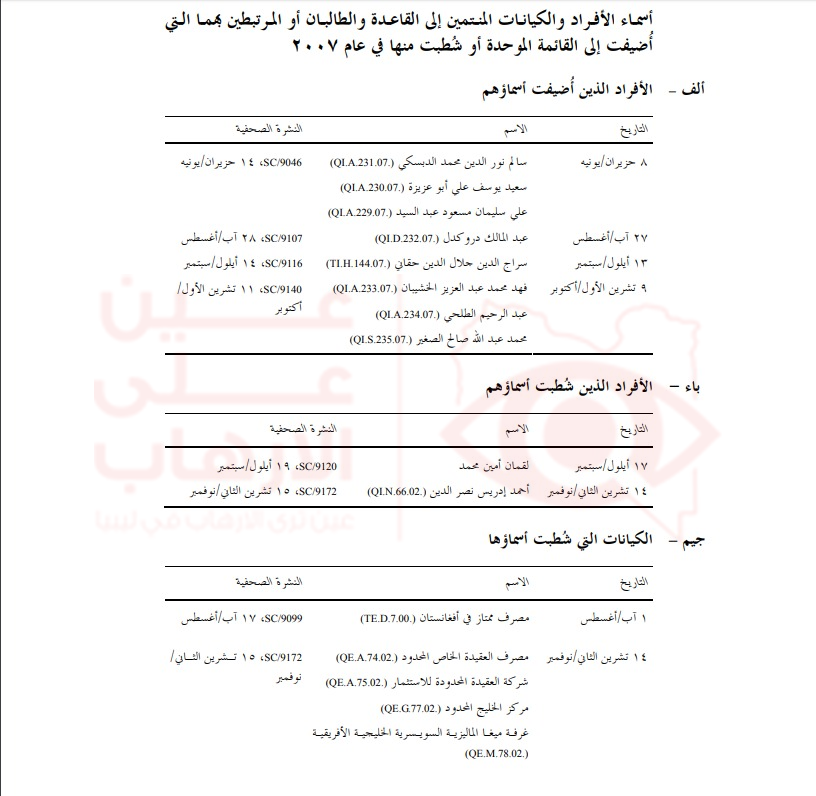
الأسماء الثلاثة من تنظيم القاعدة وسبق ان قاتلوا مع التنظيم في أفغانستان واخطرهم سالم نور الدين الدبسكي الذي بعد رحلة طويلة مع الإرهاب والتطرف وبعد الغزو الأمريكي لأفغانستان بعد احداث سبتمبر 2001م استطاع الهرب الى أيران واختفى فيها الى سنة 2011م خرج منها ليعود الى ليبيا علماً بأنه على قوائم مجلس الامن ومصنف إرهابي تابع لتنظيم القاعدة منذ 24 نوفمبر 2009م وتبقى طريقة عودته الى ليبيا في لحظة انطلاق ثورة فبراير 2011م لغز غير مفهوم , أحد مؤسسي حركة الإصلاح الإسلامي نهاية سنة 2011م في طرابلس ,وفي مذكرات أبوت أباد وهي رسائل سربتها الولايات المتحدة بعد الاستيلاء عليها من المقر الذي قتل فيه أسامة بن لادن بباكستان ورد اسم سالم نور الدين الدبسكي في رسالة موجهة من جمال إبراهيم شتيوي زوبي المكنى محمود الى أسامة بن لادن يبلغه فيها ان بخروج عبدالله رجب وابوالورد وهي كنى يتكنى بها سالم نور الدين الدبسكي , بعد 4 اشهر تم تسليم جثته الى ذويه , يحمل رقم هاتف 0922357917.
بوعجيلة جابر علي العريفي.
يكنى وابوسلمة من مواليد 1969م مدينة غريان هرب من ليبيا في سنة 1990م عبر الجزائر ومنها الى السعودية ثم باكستان ليتحلق بالمقاتلين والتحق بالقاعدة، وعندما خرج أسامة بن لادن الى السودان سنة 1993م التحق به وأصبح يدير أحد مواقع الاستثمار في منظومته الاستثمارية.
انطلق الى بريطانيا بعد ذلك وهي الملاذ الامن للمتطرفين من مختلف التوجهات وتحصل على حق اللجوء وعمل في محل للبيتزا وبحسب قيوده الأمنية السابقة كان نشطاً جداً في جمع التبرعات المالية للتنظيم لوجوده في اللجنة الاقتصادية.
بعد ثورة فبراير 2011م في ليبيا عاد مع مئات المتطرفين والتحق بمجموعات تابعة للارهابي سالم نور الدين الدبسكي في وزارة العدل ليقتل معه يوم 26 فبراير 2017م بعد أيام من هجوم مانشستر ارينا والذي نفذه سلمان العبيدي.
امحمد ابوالقاسم محمد ابوفرسن.
يكنى ابوزناد من مدينة الرجبان بدأ رحلته مع التطرف سنة 1990م وتنقل بين الكثير من الدول الجزائر والسودان والسعودية والباكستان وأفغانستان وسوريا والصين بحسب قيوداته الأمنية.
يحمل جواز سفر من دولة السودان باسم “احمد ابوالقاسم حسين محمد” تم ترحيله من السودان سنة 2004م الى ليبيا وقدم الى القضاء الذي حكم عليه بالمؤبد.
توجد في أرشيف الأجهزة الأمنية في النظام السابق وثيقة من المخابرات البريطانية بتاريخ 23 ابريل 2004م موجهة الى ليبيا تطلب معلومات امحمد ابوفرسن.
خرج من السجن مع من خرجوا في المصالحات بقيادة سيف الإسلام القذافي وبعد احداث ثورة فبراير 2011م عاد للانضمام الى تنظيم الليبية المقاتلة وانضم الى وزارة العدل وشارك في تأسيس تنظيم حركة الإصلاح الإسلامي ويحمل هاتف رقم 0914215795.



كما تم معرفة بعض أسماء القتلى الاخرين:
محمد الدبسكي.
حامد الامام.
هشام السويحلي.
سفيان السويحلي.
محمد التارقي.
سعيد العوامي.
ابوبكر قاقا.
فوزي قريرة.
حاولت بريطانيا نشر سردية او رواية تخرجها من الاحراج ف الذين نفذوا هجوم مانشستر بريطانيين الجنسية من أصول ليبية والذين خططوا جزء منهم اوته المخابرات البريطانية واعطت الجنسية لبعضهم مع اقامات وحماية وحتى مساعدات مالية..
ولكن كل خيوط الهجوم كانت تتجه الى تنظيم القاعدة والليبية المقاتلة “حركة الإصلاح الإسلامي” وهي تسميات يتخفى وراءها تنظيم القاعدة هرباً من الملاحقات الدولية.
الرواية البريطانية.
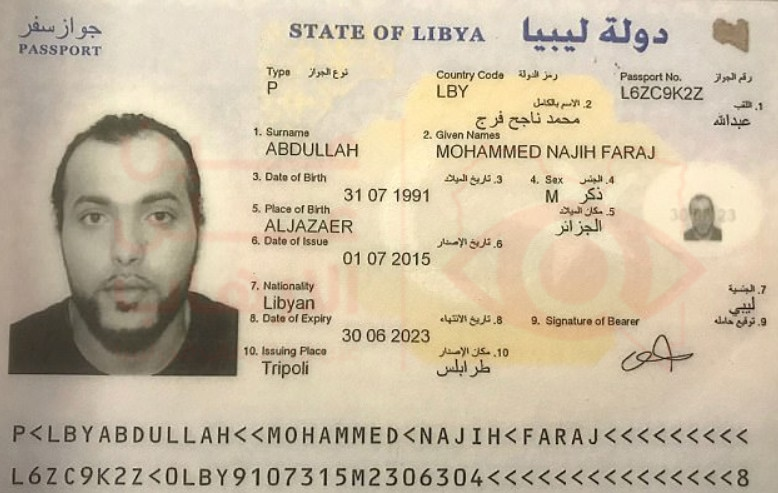
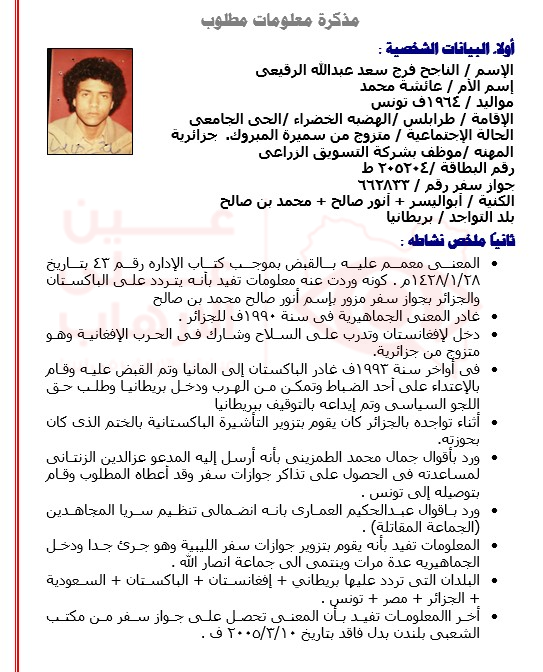
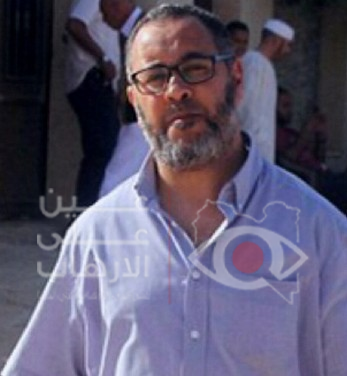
نوفمبر 2017م ظهر في الصحافة البريطانية متهم جديد في قضية هجوم مانشستر ارينا وهو من مواليد الجزائرومن أصول ليبية ويكنى أبوالبراء واتضح ان اسمه محمد الناجح فرج الرقيعي مواليد 1991م الجزائر والده الإرهابي عضو القاعدة “الليبية المقاتلة” الناجح سعد عبد الله الرقيعي والمقيم الى الان في بريطانيا ويحمل جنسيتها قناة سكاي نيوز البريطانية بثت فيديو ظهر فيه الناجح الرقيعي امام منزله في بريطانيا وهو يتحدث في هاتفه وعندما اقترب منه صحفي القناة لسؤاله ثار غضبه واظهر استيائه وطرد الصحفي وانكر ان لديه أبناء في خلال حديثه.
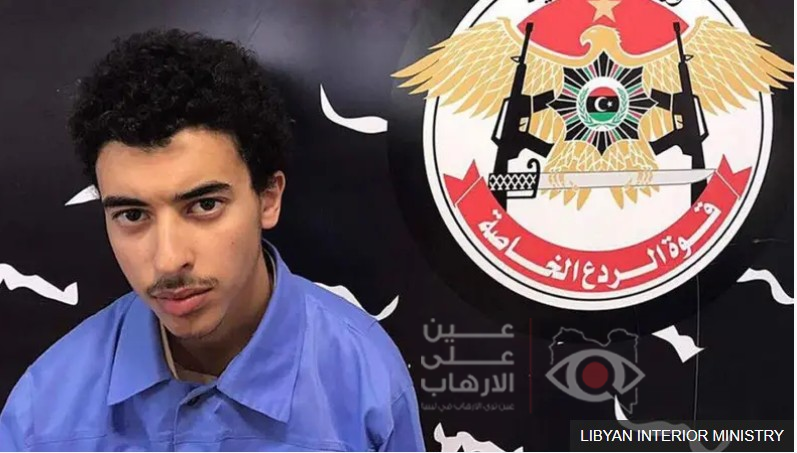
تلقى سلمان العبيدي تعليمه في مانشستر بجامعة سانفورد هو من مواليد 1994م بريطاني الجنسية والمولد، عاد الى ليبيا سنة 2011م عقب احداث ثورة فبراير هو واسرته بتشجيع وموافقة الحكومة البريطانية والده رمضان العبيدي مصنف تنظيم قاعدة بحسب قيوده الأمنية السابقة شقيقه هاشم شريكه في الاعداد للهجوم مسجون في بريطانيا الان وبحسب تحقيقات الردع عند القبض عليه اعترف بعلمه بما يخطط له شقيقه سلمان.
محمد سعيد السعيطي امام مسجد ديسبري وهو قيادي في تنظيم الاخوان المسلمين في بريطانيا يقول عن سلمان متشدد وخطر.
محكمة التحقيق البريطانية أصدرت بيان بينت فيه التطورات في قضية هجوم مانشستر سنة 2020م وقالت في بيانها ان أحد سجناء سجن أتش أم التوكس البريطاني من أصل ليبي يدعى عبد الرؤوف عبد الله كان على اتصال متكرر مع سلمان العبيدي قبل هجوم مانشستر وذلك من خلال هاتف تحصل عليه داخل وتمت مصادرته بحسب البيان.
وأضافت المحكمة في بيانها ان سليمان العبيدي زار عبد الرؤوف في السجن مؤكداً وجود طرف ثالث يدعى محمد الزبير، وأوضح البيان ان محمد الزبير أجرى مكالمة مدتها 38 دقيقة مع عبد الرؤوف يوم الهجوم.
وكشف بيان المحكمة ان محمد الزبير أجري مكالمة مع سلمان العبيدي قبل قدومه الى بريطانيا لتنفيذ الهجوم يوم 18 مايو 2017م وهو اليوم الذي وصل فيه وزود سلمان محمد الزبير برقم شخص أخر يدعى الياس المهدي.
وذكر بيان المحكمة بأن المهدي وخلال تواجد سلمان في ليبيا كان يجهز ويستخدم سيارة لتخزين المتفجرات.

وأكد البيان ان الياس المهدي زار عبد الرؤوف في السجن قبل عودة سلمان العبيدي بيوم.
وأظهر البيان ان الياس المهدي غادر بريطانيا متجهاً الى ليبيا.
On the anniversary of the Manchester attack, did the English bring this upon themselves?
My investigation into the Manchester attack carried out by Salman Ramadan Abedi on May 22, 2017.
Al-Qaeda is responsible for the suicide bombing in Manchester.
We will begin to uncover the untold facts about the Manchester attack that occurred on May 22, 2017. Our starting point will not be Manchester, Britain, but the Libyan capital, Tripoli, where the Manchester operation was planned by groups affiliated with al-Qaeda (the Libyan branch of the Libyan Islamic Fighting Group, which changed its name to the Islamic Reform Movement at the end of 2011).
eventy-two hours after the Manchester Arena attack in Britain, everything changed in the Libyan capital, Tripoli. Militias loyal to Ghaniwa al-Kikli, Hashim Bishr, and Haitham al-Tajouri launched an attack on all headquarters belonging to the Libyan Islamic Fighting Group (LIFG), beginning with al-Hadba prison, controlled by the LIFG’s military commander, Khalid al-Sharif, and ending with other locations, including the Military Academy for Girls. The clashes resulted in the deaths of more than 100 people from both sides. The violence didn’t stop there. The homes of LIFG leaders Salah al-Baraki and Abdul Wahab Qaid were attacked and burned, and the home of Abdul Hakim Belhaj was raided, resulting in the arrest of dozens of LIFG members, including Deputy Minister of Justice Tariq al-Daqal. The headquarters of the Dar al-Ifta (House of Fatwas) affiliated with the extremist Sadiq al-Ghariani was attacked and closed. Three LIFG and al-Qaeda leaders were killed: Salem Nour al-Din al-Dabski (also known as Abdullah Rajab), Buajila Jaber Ali al-Arifi (also known as Abu Salama), and Muhammad Abu al-Qasim Muhammad Abu Farsan, among others. Most al-Qaeda members fled. The Libyan fighting group, the “Islamic Reform Movement,” is based outside Libya in Turkey and Qatar.
Meanwhile, Salah Badi, the author of the “Pride of Libya” statement, has not been arrested. This indicates that Badi’s statement was merely a pretext to target those behind the Manchester attack, and that the clashes that occurred were instigated by Britain to avenge the planners and perpetrators of the Manchester Arena attack a few days prior.
Hashim Bishr wrote on his Facebook page: “52 fighters from the Government of National Accord were killed.”
Hashim Bishr, the security advisor to the head of the Presidential Council, revealed that 52 members of the forces affiliated with the Government of National Accord were killed and dozens wounded during Friday’s clashes with opponents of the Skhirat political agreement. Dozens were killed, and an unknown number were arrested. Salah Badi, who used his statement as justification, continues to live freely.
Khaled al-Sharif Abu Hazem, a military commander and member of the Libyan Fighting Group, who is in charge of al-Hadba prison, wrote on his page: “A group affiliated with the Tripoli Revolutionaries Brigade, led by Haitham al-Tajouri, evicted his family—four daughters and an infant—from their home in the Zanata area of Tripoli and demolished the house.” Ismail Omar Jibril al-Lawati, a member of the al-Qaeda-affiliated “Islamic Reform Movement,” wrote on his page following the events in Tripoli, addressing Hashim Bishr and Haitham al-Tajouri, and alluding to foreign intervention in the killing of Salem Nour al-Din al-Dabski, Muhammad Abu Farsan, and al-Arifi: “You face of Satan, you dog of the Romans, you puppy of Paolo Serra, you agent of Dahlan and Abd Zidan… even if you embraced our master Bilal, may God be pleased with him.
Your incitement to kill the devout and ascetic sheikh, the trainer of revolutionaries and educator of generations, Abdullah Rajab Salem al-Dabski al-Tarabulsi, and your incitement to kill the sponsor of orphans and widows, Sabri al-Ghariani, and the helper of the distressed, the rescuer of the sick and wounded, the ambulance driver, and the servant of the revolutionaries and mujahideen, Muhammad Abu Farsan al-Rajbani, will not be forgiven.”
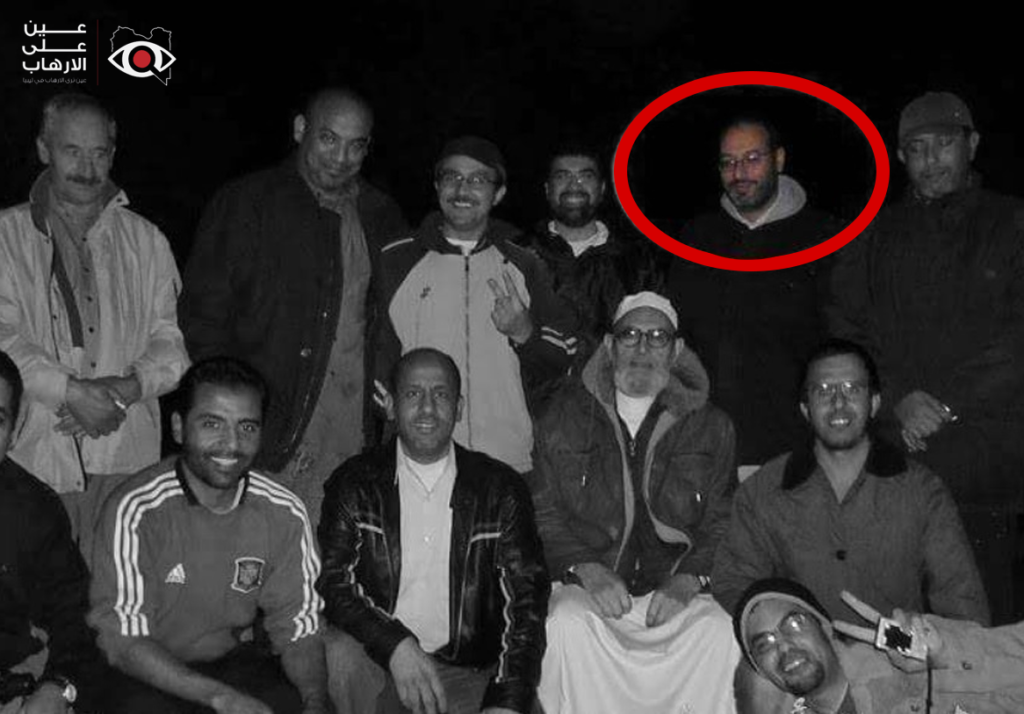
But who is Salem Nour al-Din al-Dabski? And who are Buajila Jaber Ali al-Arifi and Muhammad Abu al-Qasim Muhammad Abu Farsan? The three men are members of al-Qaeda and had previously fought with the organization in Afghanistan. The most dangerous among them is Salem Noureddine al-Dabski, who, after a long history with terrorism and extremism, managed to escape to Iran following the American invasion of Afghanistan after the events of September 2001. He disappeared there until 2011, when he emerged to return to Libya. It is worth noting that he was on the UN Security Council’s lists and designated a terrorist affiliated with al-Qaeda since November 24, 2009. The manner of his return to Libya at the very moment the February 2011 revolution began remains a mystery. He was one of the founders of the Islamic Reform Movement in Tripoli at the end of 2011. In the Abbottabad documents—letters leaked by the United States after being seized from the compound where Osama bin Laden was killed in Pakistan—Salem Noureddine al-Dabski’s name appears in a letter from Jamal Ibrahim Shtewi Zoubi, also known as Mahmoud, to Osama bin Laden. In the letter, he informs bin Laden that Abdullah Rajab and Abu al-Ward, aliases used by Salem Noureddine al-Dabski, have left. Four months later, his body was returned to his family. The letter includes a phone number. 0922357917.
Buajila Jaber Ali Al-Arifi.
Known as Abu Salama, he was born in 1969 in Gharyan. He fled Libya in 1990, traveling through Algeria to Saudi Arabia and then Pakistan, where he joined the fighters and al-Qaeda. When Osama bin Laden moved to Sudan in 1993, he joined him and managed one of the investment sites within his network.
He then went to Britain, a safe haven for extremists of various ideologies, and obtained asylum. He worked in a pizza shop, and according to his previous security records, he was very active in collecting financial donations for the organization due to his position on the economic committee.
After the February 2011 revolution in Libya, he returned with hundreds of extremists and joined groups affiliated with the terrorist Salem Noureddine Al-Dabski at the Ministry of Justice. He was killed alongside Al-Dabski on February 26, 2017, days after the Manchester Arena attack carried out by Salman Abedi.
Muhammad Abu Al-Qasim Muhammad Abu Farsan. Abu Zannad, from the city of Al-Rajban, began his journey with extremism in 1990 and traveled to many countries, including Algeria, Sudan, Saudi Arabia, Pakistan, Afghanistan, Syria, and China, depending on security restrictions.
He holds a Sudanese passport under the name “Ahmed Abul-Qasim Hussein Mohammed.” He was deported from Sudan to Libya in 2004 and brought to trial, where he was sentenced to life imprisonment.
A document from British intelligence, dated April 23, 2004, addressed to Libya, requests information about Mohammed Abu Farsan. He was released from prison with others who were freed under the reconciliation agreements led by Saif al-Islam Gaddafi. After the events of the February 2011 revolution, he rejoined the Libyan Islamic Fighting Group and joined the Ministry of Justice. He also participated in founding the Islamic Reform Movement. His phone number is 0914215795.
The names of some of the other victims have also been identified:
Mohammed al-Dabski.
Hamed al-Imam.
Hisham al-Suwayhli.
Sufyan al-Suwayhli.
Mohammed al-Tarqi.
Saeed al-Awami.
Abu Bakr Qaqa.
Fawzi Qarira.
Britain attempted to disseminate a narrative to extricate itself from the embarrassment of the Manchester attack. Those who carried out the attack were British citizens of Libyan origin, and some of those who planned it were allegedly harbored by British intelligence, who granted citizenship, residency, protection, and even financial assistance to some of them. However, all leads pointed to al-Qaeda and the Libyan Islamic Fighting Group (LIFG), also known as the “Islamic Reform Movement,” names behind which al-Qaeda hides to evade international prosecution.
The British narrative.
In November 2017, a new suspect in the Manchester Arena attack case appeared in the British press. He was born in Algeria and of Libyan origin, and was nicknamed Abu al-Baraa. It turned out that his name was Muhammad al-Najih Faraj al-Ruqai’i, born in 1991 in Algeria. His father was the terrorist al-Qaeda member, “Libyan Fighting Group,” al-Najih Saad Abdullah al-Ruqai’i, who still resides in Britain and holds its citizenship. The British Sky News channel broadcast a video in which al-Najih al-Ruqai’i appeared in front of his house in Britain talking on his phone. When the channel’s journalist approached him to ask him a question, he became angry, showed his displeasure, expelled the journalist, and denied having children during his conversation.
Salman Abedi, who studied at Sandford University in Manchester, was born in 1994 and is a British citizen. He returned to Libya in 2011 following the February Revolution, along with his family, with the encouragement and approval of the British government. His father, Ramadan Abedi, is listed as an al-Qaeda operative based on his previous security restrictions. His brother, Hashem, his partner in planning the attack, is currently imprisoned in Britain. According to the Deterrence Force investigation, upon his arrest, he confessed to knowing about his brother Salman’s plans.
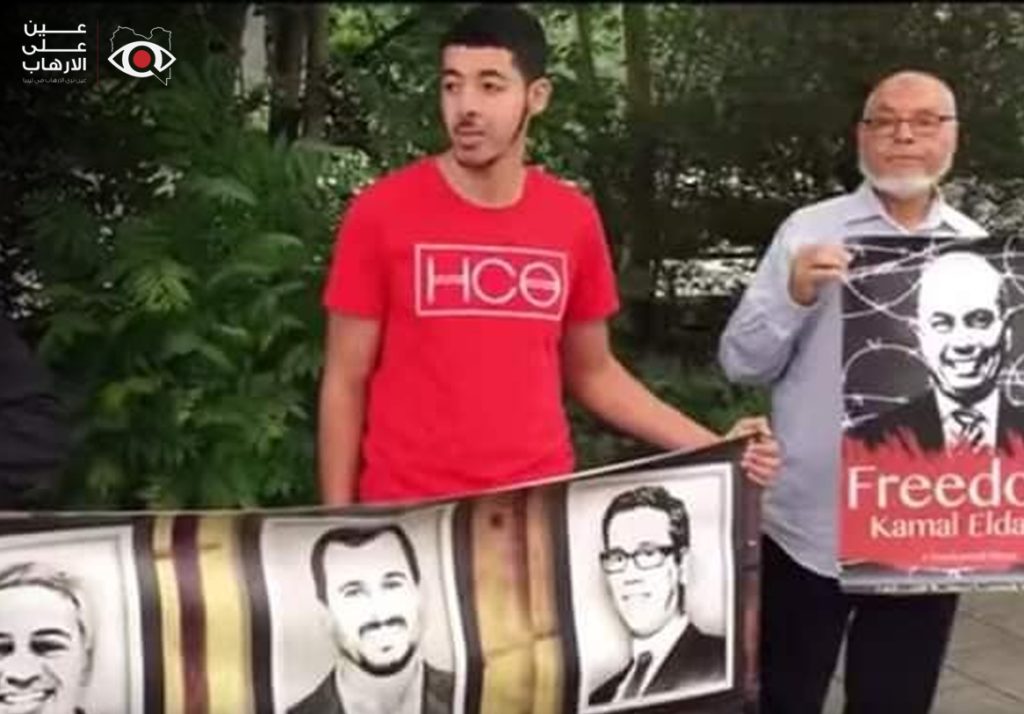
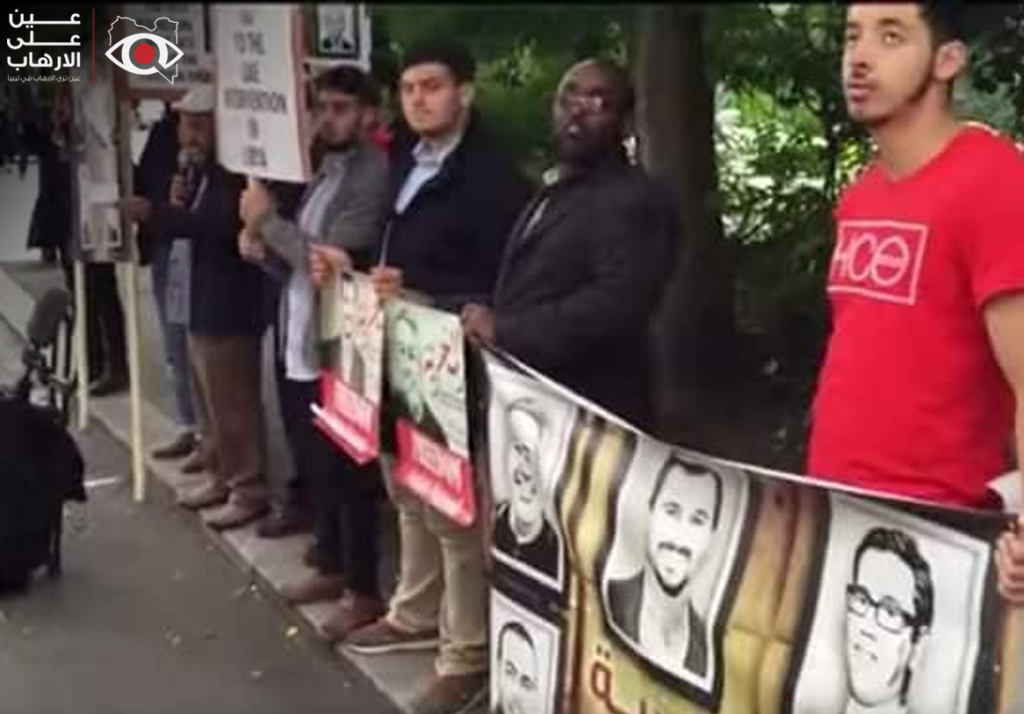
Mohammed Said al-Sa’iti, the imam of Didsbury Mosque and a leader in the Muslim Brotherhood in Britain, described Salman as a radical and dangerous.
The British Inquiry issued a statement outlining developments in the 2020 Manchester attack case. The statement indicated that Abdul Raouf Abdullah, a Libyan-born inmate at HM Altocks prison, was in frequent contact with Salman Abedi before the attack using a mobile phone he obtained inside the prison, which was subsequently confiscated. The court added in its statement that Salman Abedi visited Abdul Raouf in prison, confirming the involvement of a third party named Mohammed Zubair. The statement further explained that Mohammed Zubair had a 38-minute phone call with Abdul Raouf on the day of the attack.
The court statement revealed that Mohammed Zubair had spoken with Salman Abedi before his arrival in Britain to carry out the attack on May 18, 2017, the day he arrived. Salman provided Mohammed Zubair with the phone number of another individual named Elias Almahdi.
The court statement also indicated that while Salman was in Libya, Almahdi was preparing and using a vehicle to store explosives.
The statement indicated that Elias al-Mahdi visited Abdul Raouf in prison the day before Salman Abedi’s return.
The statement also showed that Elias al-Mahdi left Britain for Libya.